Referral Program Example for Local Service Businesses
Looking for a referral program example for a local service business? Learn how to build a referral system, re-engage past customers, and turn old clients into new revenue.

For many local service businesses, referrals are one of the best ways to generate high-quality leads. A referred customer usually comes in warmer, trusts your business more quickly, and is often easier to convert than someone coming in completely cold. That is especially true for service categories like plumbing, roofing, HVAC, landscaping, painting, moving, electrical, and general contracting, where trust plays a major role in the buying decision.
The problem is that most local businesses do not have a real referral system. They may get the occasional recommendation from a happy customer, but there is no structure behind it. Nobody is actively re-engaging past customers, nobody is reminding old clients to refer friends and family, and nobody is creating a repeatable process that turns past relationships into ongoing revenue.
That is where a real referral program can make a big difference. A strong referral program does not just wait for word of mouth to happen naturally. It gives your business a way to encourage it, track it, and scale it. And one of the most overlooked parts of that strategy is re-engaging previous customers who already know your business and already trust your work.
In this article, we’ll walk through a referral program example for a local service business, explain why it works, and show how businesses can use a process like this to increase revenue from both existing and past customers.
Why referral programs work so well for local service businesses
Local service businesses are built on trust. Most customers do not want to take risks when hiring someone to work on their home, property, or business. They would rather hire someone who was recommended by a friend, neighbor, family member, or colleague than start from scratch with a random company.
That is what makes referral marketing such a strong growth channel. It helps your business get in front of people through trusted introductions instead of relying only on ads, cold outreach, or search traffic.
A good referral program also helps you stay top of mind. A customer may not need your service again today, but they may know someone who does. If your business creates a clear and repeatable process for referrals, you give people an easy reason to think of you and act on that recommendation.
A simple referral program example for a local service business
Let’s say you run a local plumbing company.
You have served hundreds of customers over the last several years. Some of them used you last month. Some of them used you three years ago. Some may have used you ten or even thirteen years ago. Most of them probably had a good experience, but after the job was done, communication stopped.
That is a missed opportunity.
A strong referral program example for a local service business would look something like this:
Step 1: Build a list of previous customers
Start by organizing your old customer data. This can include customers from your CRM, invoices, email records, or old job history. These are people who already know your brand and are much more likely to respond than a completely cold audience.
Step 2: Re-engage them with the right messaging
Instead of sending a generic sales email, send messaging that reconnects with them in a more thoughtful way. This could include checking in, asking how things have been, reminding them of the service you provided, and letting them know you would love to help anyone they know who may need similar work.
This is where a lot of businesses fail. They either never follow up, or they send weak messages that do not create action. The messaging has to feel natural, timely, and trustworthy.
Step 3: Give them a reason to refer
A referral request should be easy to understand. The customer should know what you do, who you help, and what they should do if they know someone who needs your service. In some cases, adding a reward or incentive can improve response rates, but the biggest factor is usually clarity and ease.
Step 4: Make the referral process simple
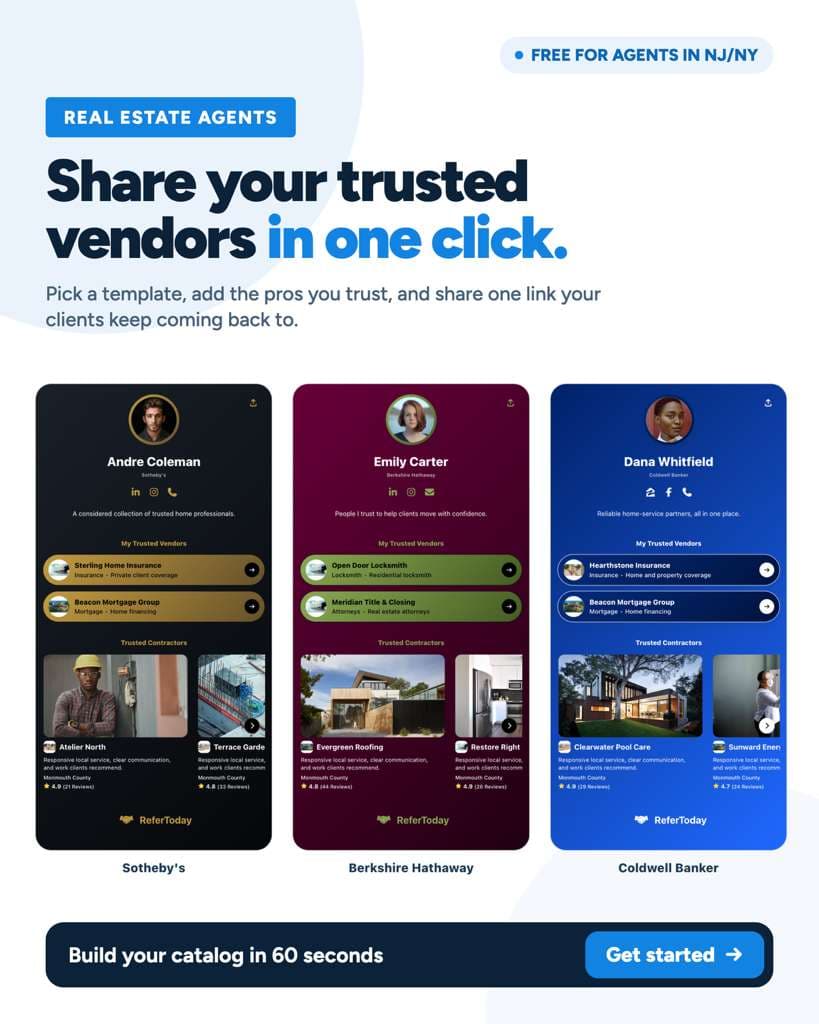
If someone wants to refer you, they should not have to guess what to do next. They should have a clear place to view your business and a simple way to send the lead. That is one reason it helps to list your business on Referred, where your business can be presented clearly and made easier to share.
Step 5: Follow up and track everything properly
The worst thing that can happen in a referral program is poor follow-up. If the customer sends someone your way and that lead disappears into silence, trust drops immediately. A referral program needs visibility, consistency, and strong follow-up if you want it to keep working.
The overlooked opportunity: re-engaging old customers
Many business owners focus only on finding brand-new leads, even though one of the best opportunities is often sitting in their old customer list.
Past customers are not cold leads. They already know your business. They have already trusted you once. In many cases, they may still remember the experience, especially if it was positive. That makes them one of the easiest groups to reactivate.
Re-engaging previous customers can lead to two types of revenue:
Direct repeat business
Sometimes the old customer needs your service again. A customer from years ago may now have a new property, a new issue, or a new need. That means a reactivation campaign can generate direct revenue without the cost of acquiring a cold lead.
Referral-driven business
Even if the old customer does not need your service today, they may know someone who does. That makes previous customers one of the strongest groups to target if you want to increase referral leads.
We have seen this work across multiple businesses. In some cases, old customers from as far back as 13 years ago turned into new customers again or became a source of new referrals. That is why re-engagement is such a valuable part of a referral strategy. Most businesses never do it properly, which means the opportunity is still sitting there waiting.
What makes this work better than a normal follow-up email?
Most businesses have tried some kind of follow-up before, but they usually do it in a very basic way. They send one simple message, get weak results, and assume it does not work.
The difference is in the process.
A stronger system uses better email templates, stronger positioning, and proper delivery infrastructure so the emails are more likely to land in inboxes and actually get seen. It is not just about sending a message. It is about sending the right message through the right setup in a way that gives it a real chance to perform.
That is part of the process we offer through Refertoday. We help local service businesses re-engage previous customers, turn more of those relationships into referrals, and create additional revenue from people already in their database.
How Referred fits into the process naturally
A referral platform should support your growth, not feel forced into it.
That is why the best use of a platform like Refertoday is not to replace your service quality or your customer relationships. It is to give structure to something that is otherwise handled in a loose and inconsistent way. Referrals become easier to manage when your business has a clear presence, a clear process, and a cleaner way to direct people.
If you want to see how businesses across different categories can position themselves inside a referral-driven marketplace, you can browse local service businesses on Referred. That gives a better sense of how service businesses can be shown clearly and made easier to recommend.
What a good local service referral program should include
A referral program does not need to be overly complicated, but it should include a few key elements.
Clear positioning
People should instantly understand what your business does, who it serves, and why they should trust it.
Easy sharing
If someone wants to refer you, the next step should feel obvious and simple.
Strong follow-up
Referral leads need fast and professional follow-up or they lose value quickly.
Transparent tracking
Both the business and the referrer should feel confident that the lead was received and handled properly.
Customer re-engagement
Your old customer list should not sit unused. It should be treated like an asset that can generate both repeat jobs and referral opportunities.
Questions local business owners usually ask before starting a referral program
Do referral programs actually work for local service businesses?
Yes. They work especially well in service industries where trust matters. Referred leads are often warmer, easier to convert, and more likely to turn into real jobs than completely cold leads.
What is the best group to target first?
One of the best groups to target first is your previous customers. They already know your business, which makes them much easier to re-engage than a completely new audience.
Can old customers really become new customers again?
Yes. In many cases, old customers come back when the need returns. We have also seen very old customer lists become valuable again, including customers from years back who either returned themselves or referred someone else.
Do I need a huge referral program to get started?
No. You do not need something complex at the beginning. What matters most is having a clear process that makes referrals easier to generate and easier to manage.
Why is re-engaging past customers so important?
Because it is one of the lowest-friction opportunities available. These are people who already know your business, so they are far more likely to respond than cold prospects.
Turn your old customer list into new referral revenue
A great referral program example for a local service business is not just about asking happy customers to spread the word. It is about building a repeatable system that helps your business stay top of mind, reactivate old relationships, and create more opportunities from people who already trust you.
One of the biggest missed opportunities for service businesses is leaving old customer lists untouched. Those previous customers can become repeat buyers, referral sources, or both. When you combine a better re-engagement process with a stronger referral system, you give your business a much better chance of generating more consistent revenue.
If you want help setting this up, you can book a call to grow referral revenue. We offer a free 30-day service where we help re-engage your previous customers, try to turn them into referrals, and help generate more revenue for your business. We’ve done this for multiple businesses already, and in some cases even customers from 13 years back became new customers again. The process includes the messaging, the templates, and the delivery infrastructure needed to give the campaign a real chance to perform.